

Presented by : Charles C. Daniels, Jr., Ph.D., M.Div., LICSW, LISW-S, LCSW
This presentation challenges dominant narratives around father absence in America, arguing that the true crisis lies not in fatherhood itself but in the systemic conditions that disrupt it. Drawing on five generations of his own family history — spanning from post-Reconstruction Georgia to the present day — Dr. Daniels traces how racism, Jim Crow segregation, economic instability, racial violence, and structural inequities have shaped fathers’ capacity to be present across generations.
Through ancestral case studies, the presentation illustrates how trauma, loss, and separation are inherited rather than isolated, and how the experiences carried within families profoundly shape how fathers show up for their children. Dr. Daniels grounds his framework in core social work values — including dignity, cultural humility, and social justice — to propose a more compassionate and contextually informed approach to understanding fatherhood.
The presentation introduces Present: The Crisis of American Fatherhood and the Power of Showing Up, offering three core lessons: that every father is a lifelong learner, that every father deserves a space rooted in love, and that assumptions block transformation. These insights carry direct implications for child welfare and foster care practice, where supporting children effectively requires understanding and engaging the adults connected to them.
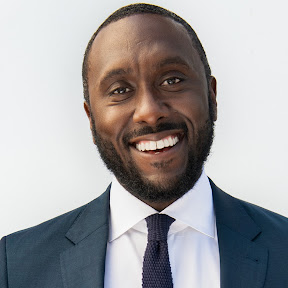
Co-Founder & Chief Executive Officer, Fathers’ UpLift
Dr. Charles C. Daniels, Jr. is a Licensed Independent Clinical Social Worker and scholar whose work centers on fatherhood, mental health, and racial equity. He is the co-founder and CEO of Fathers’ UpLift, the nation’s first mental health and substance use treatment organization built specifically for fathers and families, helping men become emotionally stable, engaged parents.
For more than a decade, Dr. Daniels has worked primarily with Black men, addressing the trauma, stigma, and systemic barriers that contribute to absentee fatherhood and fractured families. His book, Present: The Crisis of American Fatherhood and the Power of Showing Up (Convergent, Penguin Random House), offers a clear-eyed look at why fathers disengage, the obstacles that keep them away, and the men who are fighting to reconnect with their children, while outlining what it takes for families to begin healing.